Hyundai has released the full specifications of its fifth-generation Tucson, giving us a much clearer look at the next-generation family SUV following its initial design reveal earlier this year.
Despite its futuristic, almost concept-car-like appearance, the new Tucson retains something increasingly rare in modern SUVs — a six-speed manual transmission.
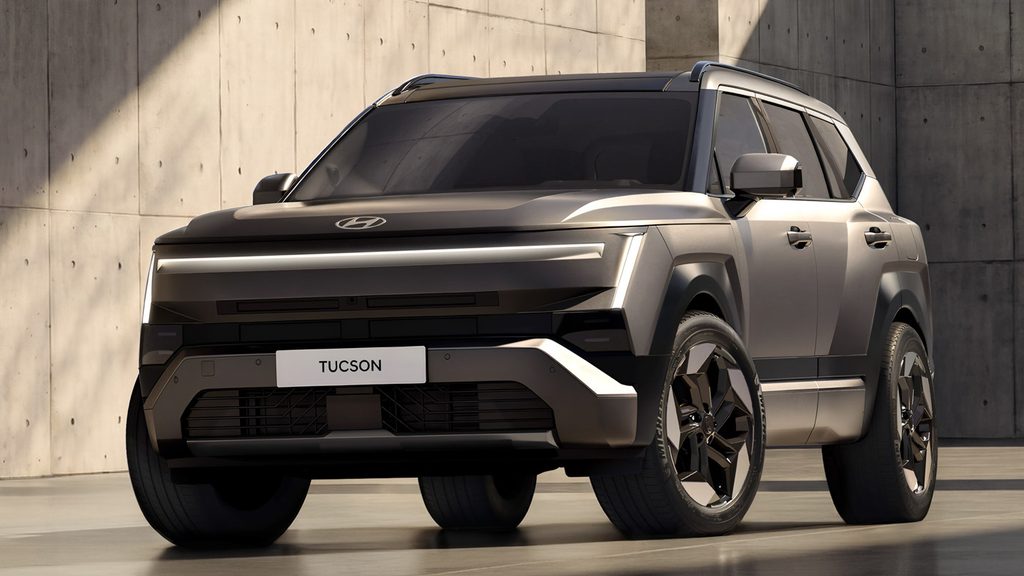
But the manual gearbox is only one part of the story. Hyundai has also introduced a redesigned cabin, new AI-powered technology, updated hybrid powertrains and a range of new driver-assistance features.
A High-Tech Cabin That Keeps Physical Controls
The new Tucson’s interior takes a major step forward in terms of technology. Higher-spec versions feature a large 17-inch central touchscreen, complemented by a slim 9.9-inch display positioned higher on the dashboard.
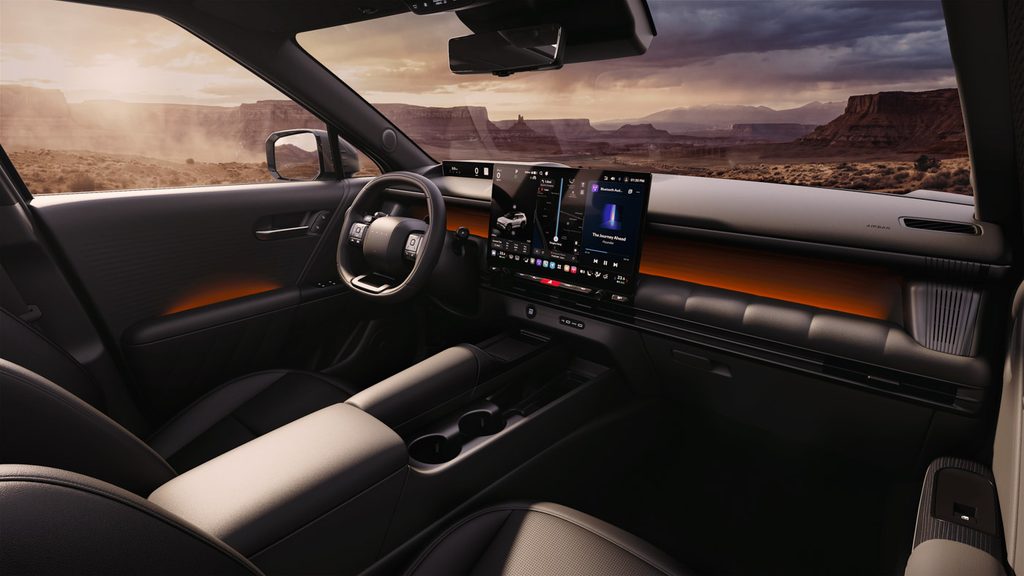
Interestingly, Hyundai has not completely abandoned physical controls. A row of physical switches and rotary controls remains underneath the displays for frequently used functions such as the climate system, audio volume and hazard lights.
The centre console has also been redesigned around a slimmer layout with multiple storage areas and a wireless charging pad.
The conventional gear selector has been moved away from the centre console to a column-mounted shift-by-wire system, freeing up additional space between the front seats.
Hyundai also offers gesture controls and a single-screen display mode designed to reduce the amount of visual distraction while driving.
Another new feature is the Multi-Air Mode System, which distributes air through multiple vents and towards the floor to cool the cabin more quickly without blasting occupants with concentrated airflow. Traditional adjustable air vents are still retained.
Hyundai Introduces Gleo AI
Technology is a major focus of the new Tucson, with Hyundai introducing its Gleo AI in-car agent.
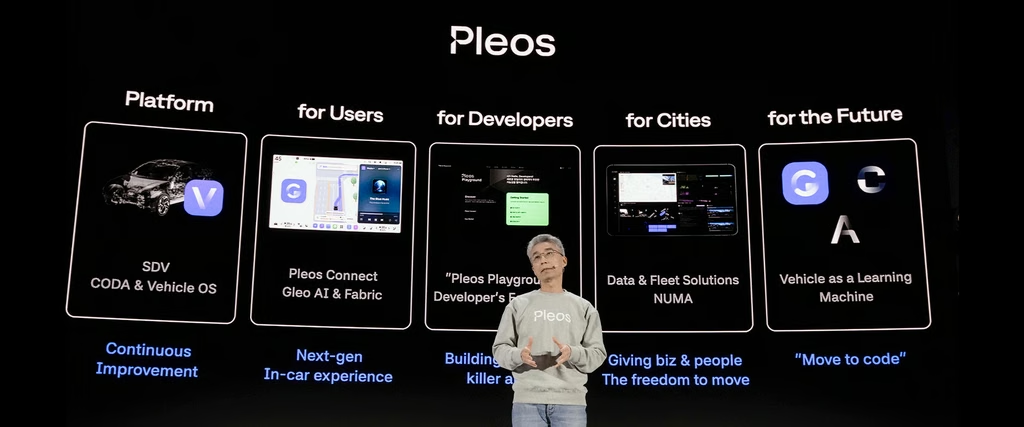
The system is designed to understand natural-language requests and take the surrounding context into account. For example, a driver could ask it to find a hiking trailhead with parking within a specified travel time, rather than manually searching through multiple menus.
Gleo AI operates through Hyundai’s Pleos Connect infotainment platform, which is based on Android Automotive OS (AAOS). The system also supports third-party applications and over-the-air software updates.
Petrol, Hybrid and Plug-In Hybrid Power
The new Tucson will be offered with three main powertrain configurations.
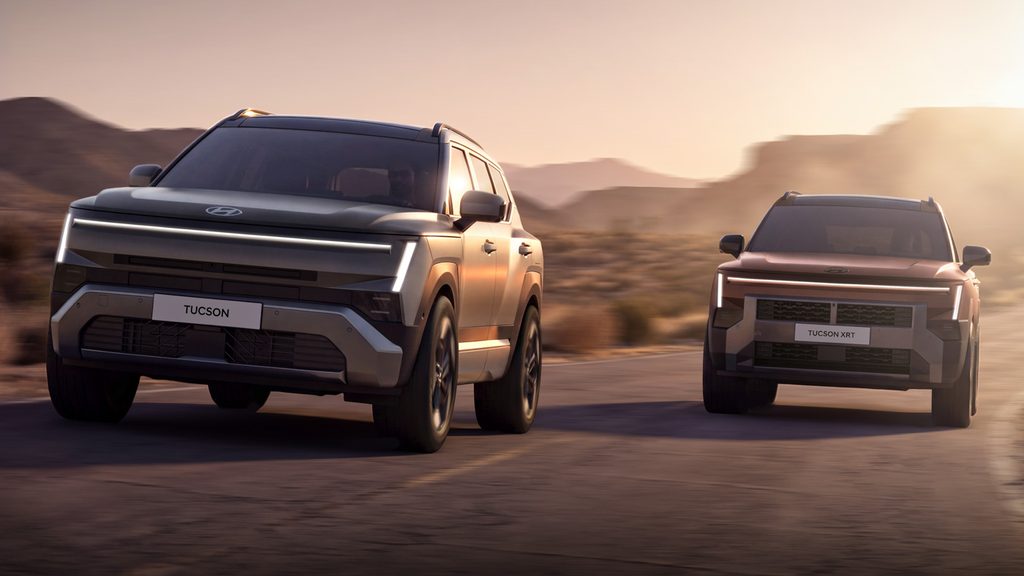
The range starts with conventional petrol engines, consisting of a 1.6-litre turbocharged four-cylinder and a 2.0-litre naturally aspirated four-cylinder. Depending on specification, outputs range from 150 hp to 193 hp.
Both front-wheel-drive and all-wheel-drive configurations are available, while acceleration from 0–100 km/h can be achieved in as little as 9.5 seconds.
Transmission availability varies by market and powertrain, with Hyundai offering a six-speed manual, six-speed automatic, seven-speed dual-clutch transmission and eight-speed automatic.
Yes, a manual Tucson is officially part of the lineup — although whether this version will be offered in Malaysia remains unknown.
For buyers looking for electrification without having to plug in, the self-charging hybrid (HEV) combines a 1.6-litre turbocharged petrol engine with a 1.49 kWh battery and two electric motors.
Combined output reaches up to 245 hp, allowing the HEV to complete the 0–100 km/h sprint in as little as 8.5 seconds. The hybrid comes exclusively with a six-speed automatic transmission and can be configured with either FWD or AWD.
At the top of the range is the plug-in hybrid (PHEV). It retains the 1.6-litre turbo engine and dual-motor arrangement but gets a significantly larger 17.1 kWh battery.
Total system output rises to 292 hp, with a claimed 0–100 km/h time of 7.9 seconds. Like the HEV, the PHEV uses a six-speed automatic and is available with either FWD or AWD.
New Technology for Off-Road Driving
Hyundai is also giving the Tucson more sophisticated tools for driving away from paved roads.
The new Smart Terrain Assist (STA) monitors traction and wheel-slip conditions in real time to estimate how difficult the terrain is. The system then provides the driver with a visual green, orange or red “stuck score”.
It works together with Target Speed Control, which allows the driver to select speeds between 2 and 25 km/h. The system automatically manages acceleration and braking, allowing the driver to concentrate primarily on steering.
Another notable feature is Memory Reversing Assist (MRA). The system can record a driving path at speeds of up to 30 km/h and subsequently assist with steering when reversing along a narrow route.
For owners who tow trailers, Trailer Reverse Assist (TRA) can also help control steering alignment during reversing manoeuvres.
Tucson XRT Adds a More Rugged Look
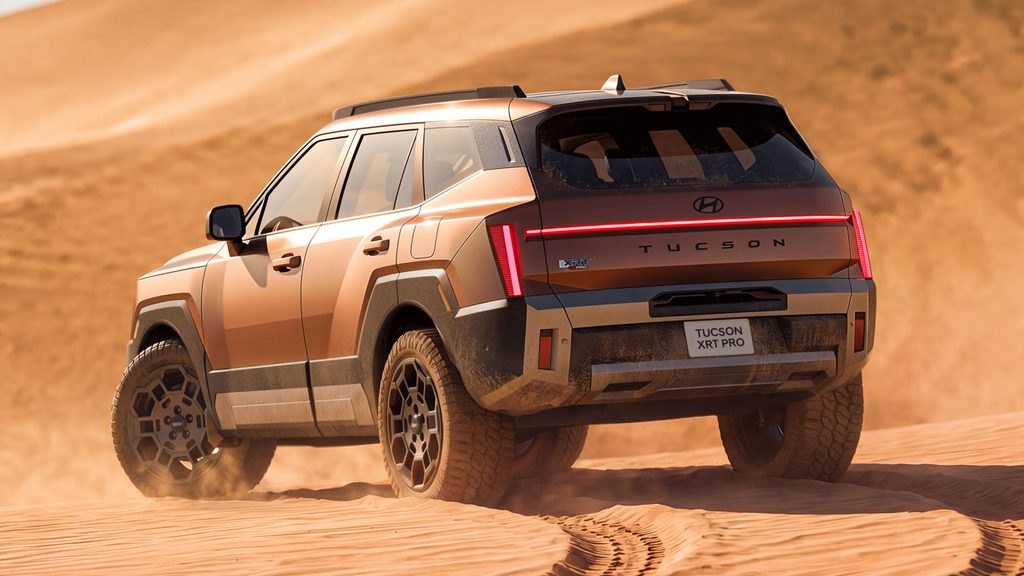
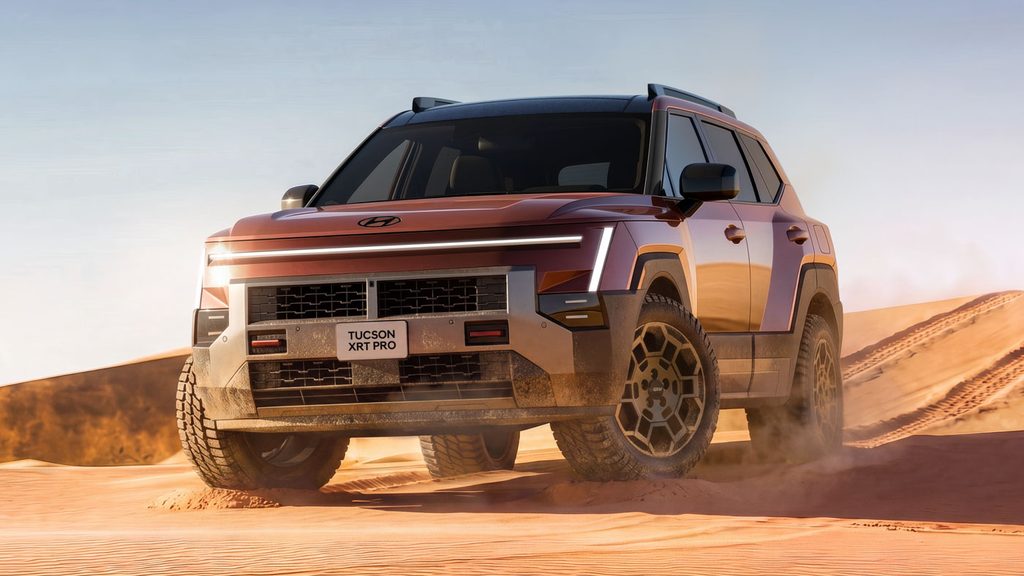
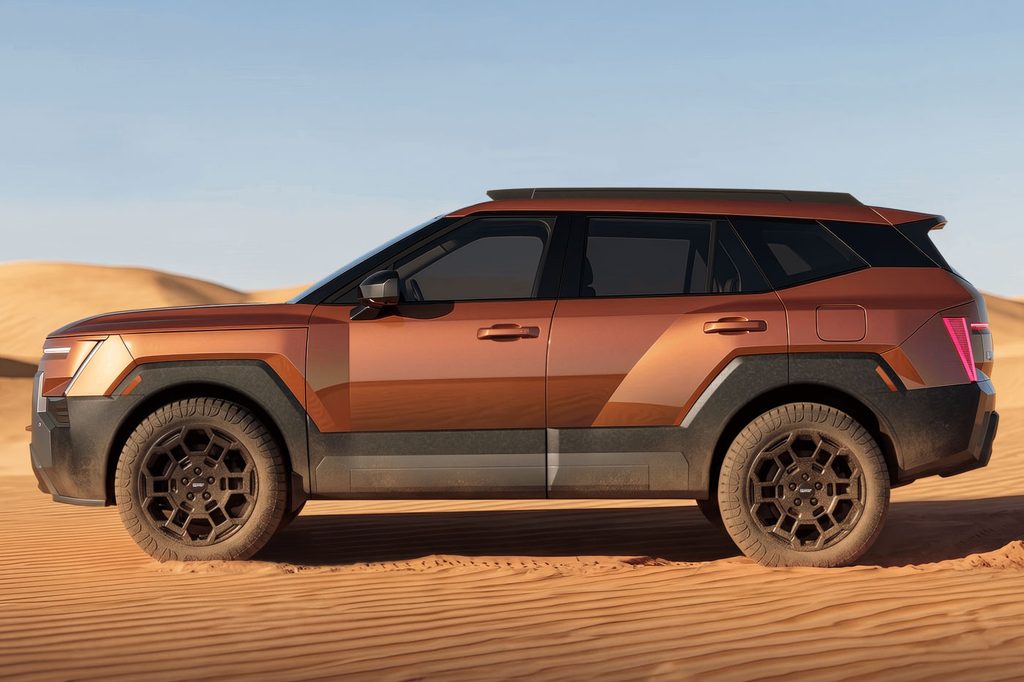
For buyers wanting a tougher-looking Tucson, Hyundai is introducing the XRT variant.
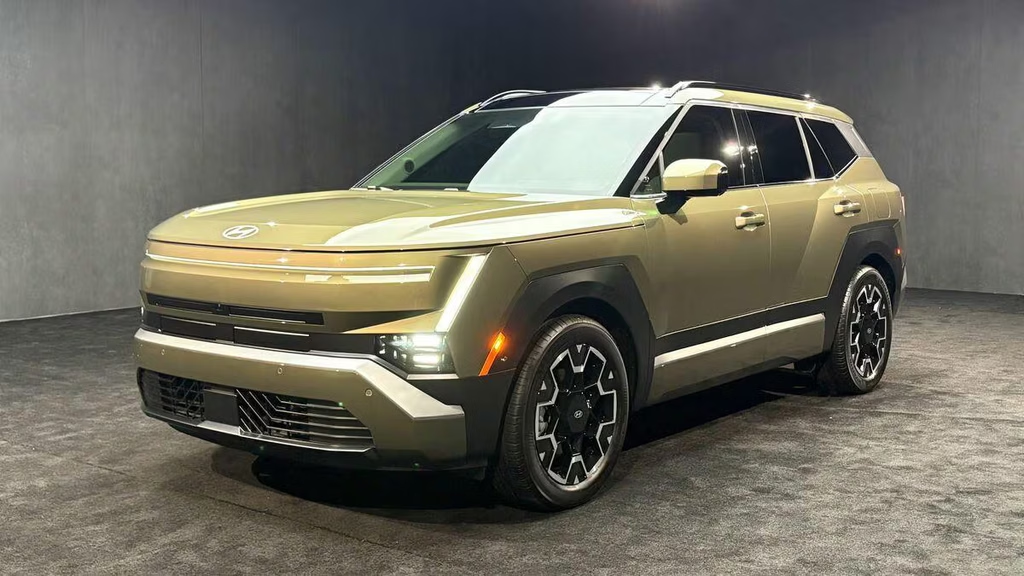
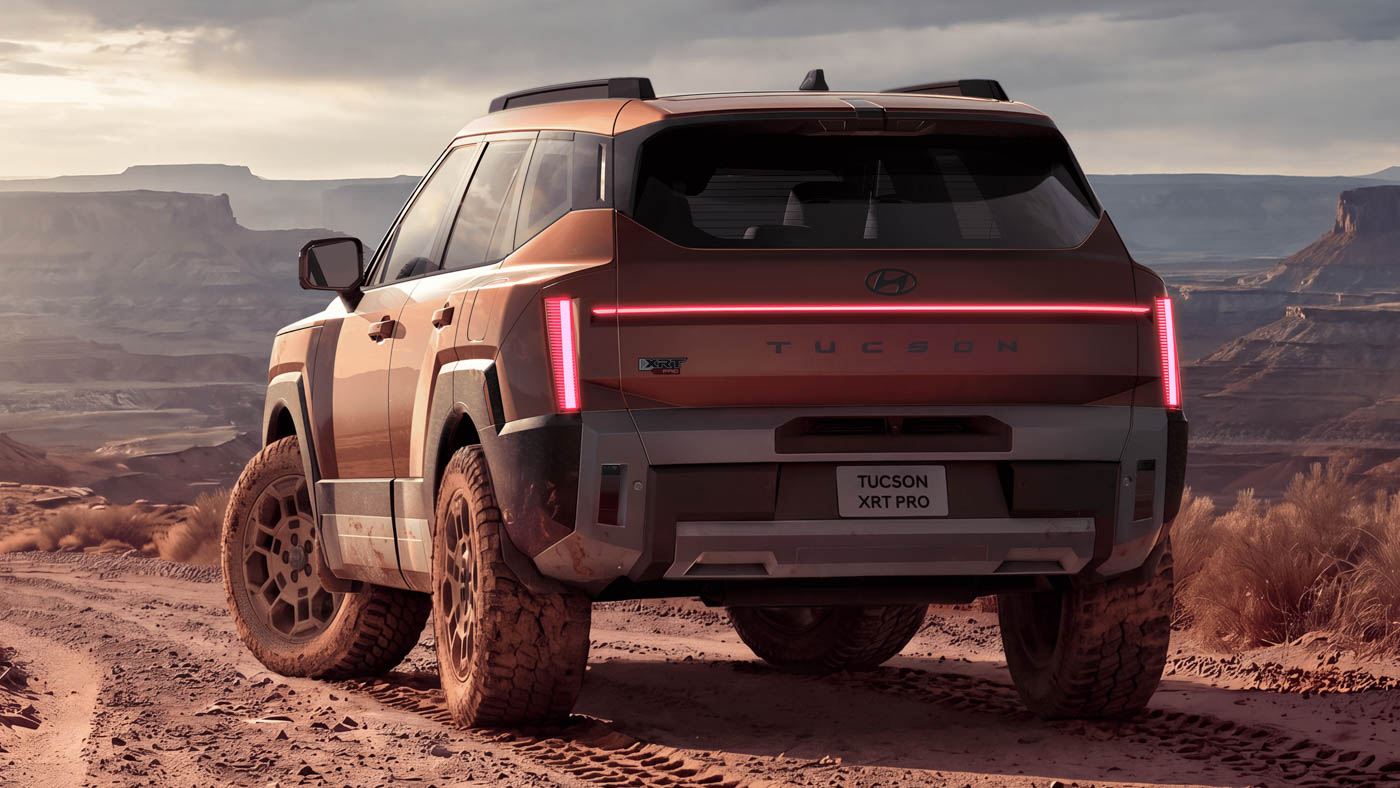
The XRT features wider front cladding, extended black wheel-arch protection and additional styling elements inspired by forged carbon. The bumpers and skid plates have also been redesigned to emphasise the SUV’s more rugged character.
The more capable Tucson XRT Pro takes things further with AWD, all-terrain tyres and front recovery hooks.
Ground clearance rises to 210 mm, which is 30 mm higher than the standard Tucson, helping improve its off-road capability and approach and departure angles.
Both XRT versions also receive exclusive interior details, including dark metallic finishes, unique seat designs and XRT branding.
A Sportier Tucson Is Coming
Hyundai has also confirmed that a new sport-oriented Tucson variant will make its debut at the 2026 Paris Motor Show on October 12.
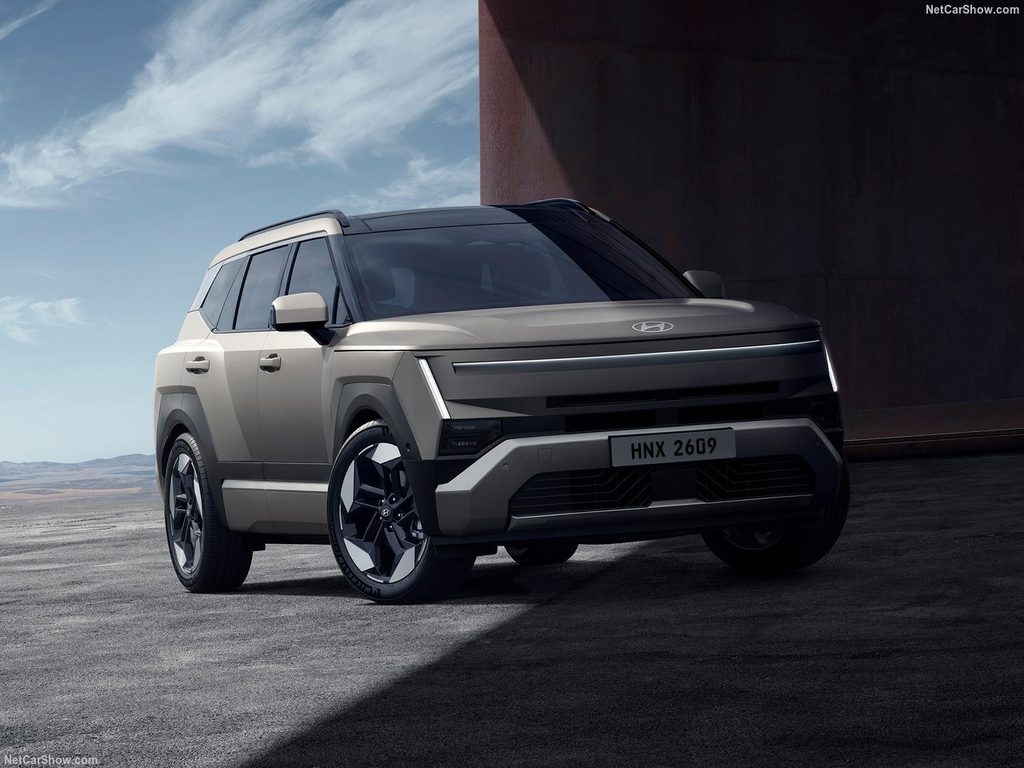
Hyundai has not confirmed whether this model will be related to its N performance division, so any connection to a potential Tucson N remains speculation for now.
What About Malaysia?
There is currently no confirmed Malaysian launch date for the fifth-generation Tucson.
For now, the Malaysian market continues to receive the fourth-generation model, which was updated locally in 2025. The current Tucson is priced from RM143,888 on the road without insurance, with petrol and hybrid powertrain options available.
Whether Malaysia will eventually receive the new fifth-generation Tucson — and more importantly, which engine, transmission and hybrid configurations will make it here — will depend on Hyundai’s local product plans.