

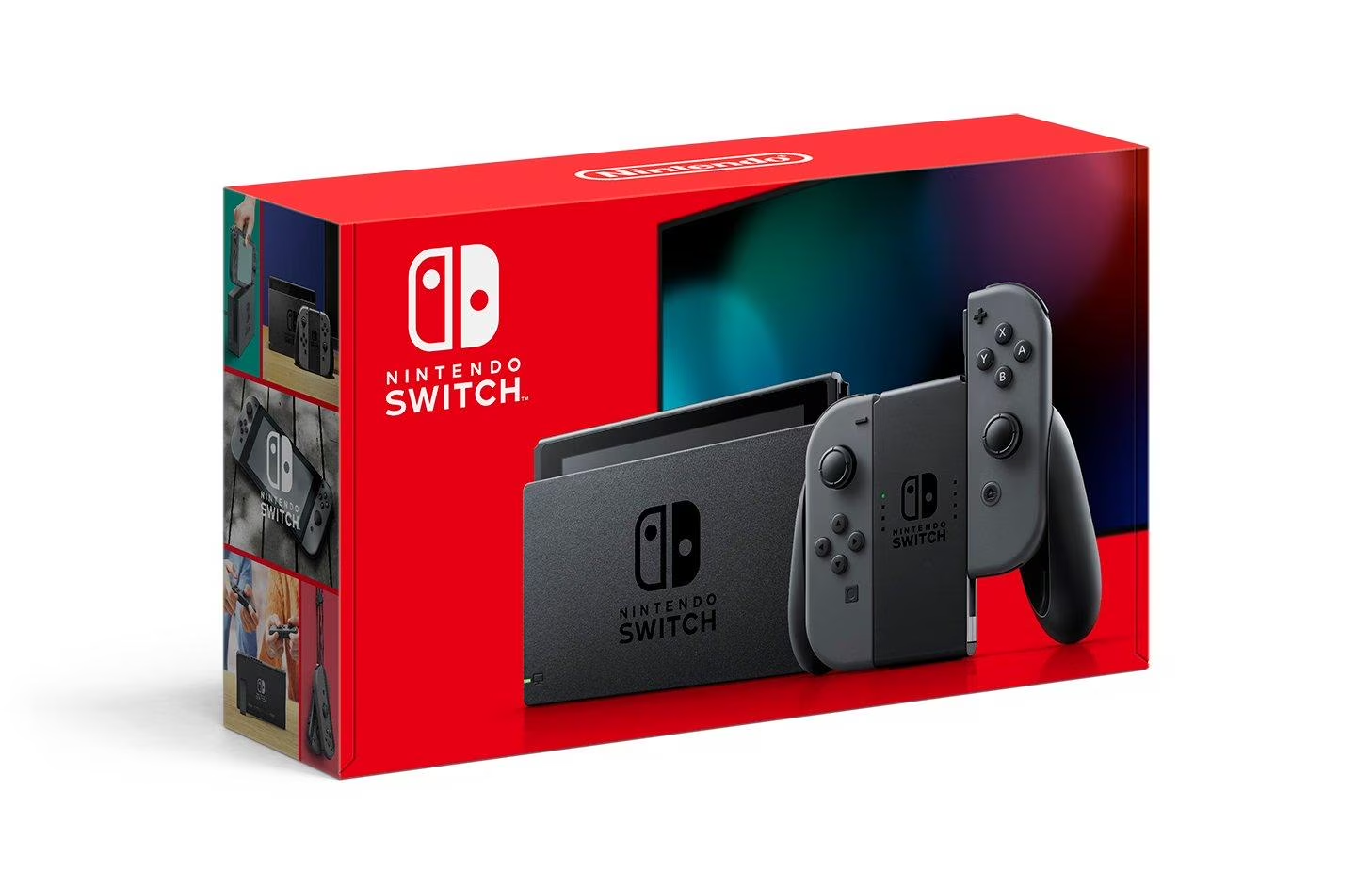
Nintendo’s highly anticipated Switch 2 should have been a victory lap for the Japanese gaming giant. Instead, investors are starting to ask difficult questions.
Shares of Nintendo fell around 7% in Tokyo trading on Monday after the company confirmed price increases for the upcoming Switch 2 while also delivering a cautious outlook for its gaming business. The market reaction highlights growing concerns that Nintendo may be entering its next console generation without the blockbuster software momentum needed to keep excitement high.
The company recently revealed that the Japanese-language version of the Switch 2 will increase in price by 10,000 yen, bringing it to 59,980 yen starting May 25. Nintendo also confirmed that several international markets, including the United States, will see price adjustments beginning September 1.
That timing is awkward.
The gaming industry is already dealing with rising hardware costs caused by ongoing DRAM and NAND memory shortages, while casual gamers — a key part of Nintendo’s audience — are typically far more price-sensitive than hardcore console buyers.
Unlike premium-focused rivals, Nintendo built much of the original Switch’s success around accessibility. A sudden jump in pricing risks changing that formula.
Investors Want More Than Hardware
On paper, Nintendo’s latest financial results were solid.
The company reported strong hardware sales for the fiscal year ending March 2026, with the aging original Switch still managing to attract buyers thanks to evergreen franchises like The Legend of Zelda and Pokémon titles.
But investors were looking beyond current sales.
The bigger concern is what comes next.
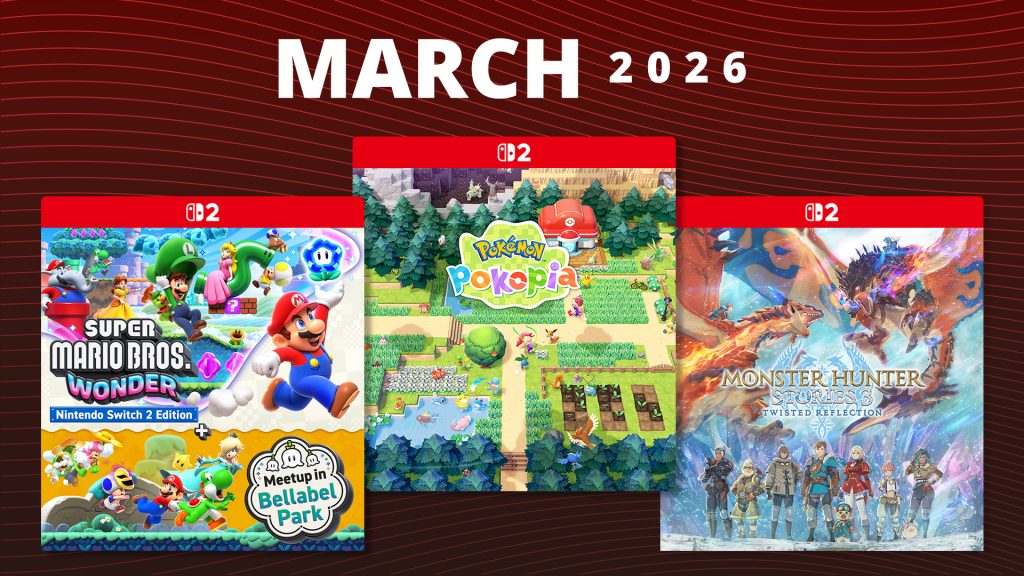
Analysts have started questioning whether Nintendo’s upcoming software roadmap is strong enough to drive the second phase of the Switch 2 lifecycle. Morningstar analyst Kazunori Ito noted that Nintendo’s lower game shipment forecast could signal weaker confidence in its own future lineup.
Right now, the company lacks a clearly announced “must-buy” blockbuster capable of generating the same cultural impact as titles like The Legend of Zelda: Breath of the Wild or Animal Crossing: New Horizons did during the original Switch era.
That matters more than ever because modern consoles are increasingly driven by ecosystem engagement rather than hardware alone.
The Pressure of a New Console Cycle
Historically, Nintendo’s second year after a console launch is where momentum either explodes — or fades.
Some analysts still believe Nintendo is intentionally keeping expectations conservative. Jefferies analyst Atul Goyal suggested the company could still surprise the market with a major AAA Mario release later this year, arguing that Nintendo has repeatedly beaten its own operating profit forecasts over the past four fiscal years.
If that happens, sentiment could change quickly.
Nintendo’s strategy has often relied on carefully timed first-party exclusives rather than constant release volume. One major Mario, Zelda, or Pokémon launch can completely reshape sales momentum overnight.
But until that happens, investors appear nervous.
Sony Looks More Stable — For Now
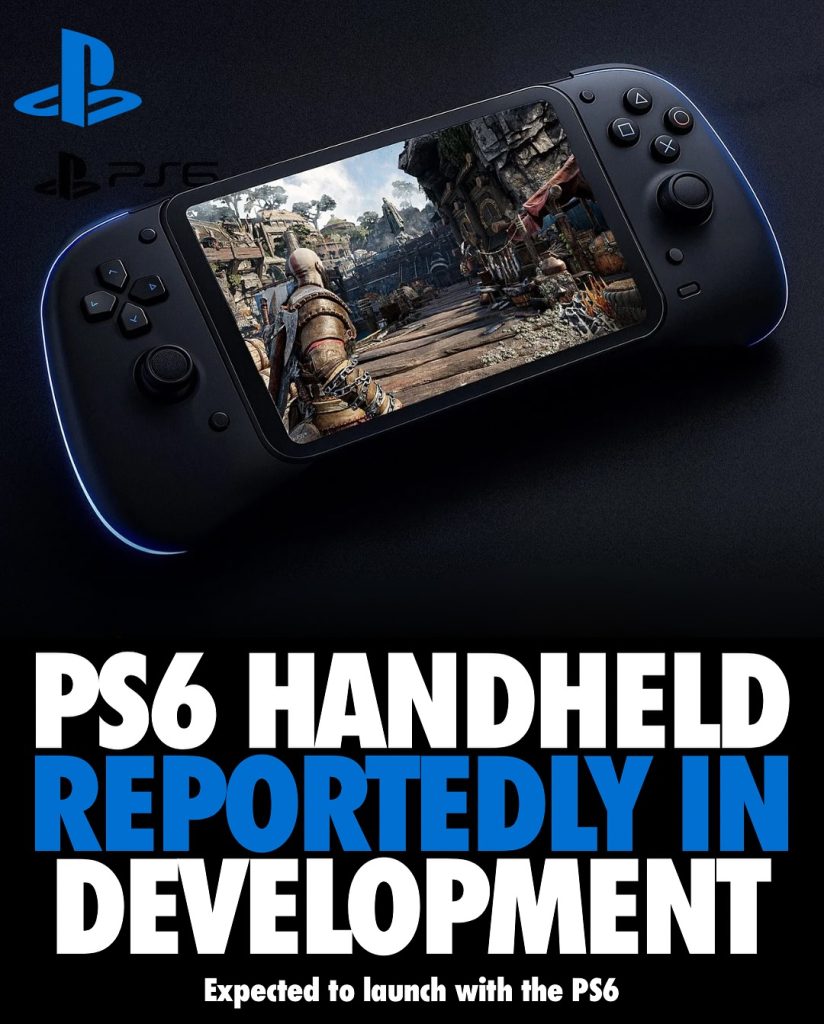
The comparison with Sony Group Corporation is becoming harder for Nintendo to avoid.
Sony’s shares rose roughly 10% on the same trading day after the company projected stronger profitability in its gaming business despite slower overall PlayStation 5 sales.
Unlike Nintendo, Sony benefits from a more diversified business structure that includes entertainment, sensors, music, film, and semiconductors.
Its gaming division also has greater flexibility to absorb rising component costs.
Sony recently announced plans for a new image sensor joint venture in Japan with TSMC, part of a broader effort to strengthen supply chain control as chip costs continue rising globally.
Nintendo, by comparison, remains heavily dependent on its core gaming ecosystem.
That focus has always been one of its greatest strengths — but during periods of economic pressure, it can also become a weakness.
Nintendo’s Biggest Challenge Isn’t the Hardware
The Switch 2 itself is unlikely to fail.
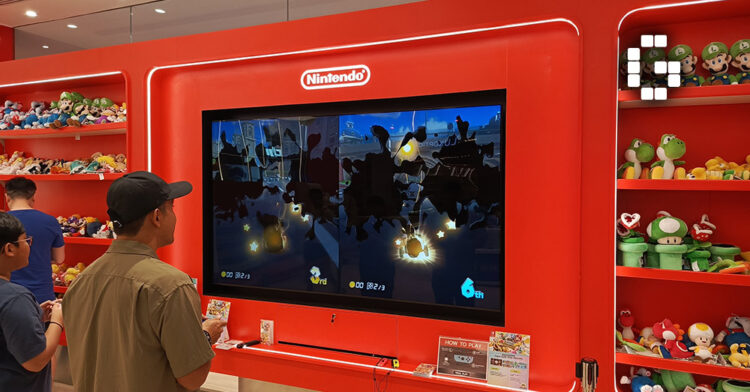
Nintendo’s brand power remains enormous, and its library of intellectual property is arguably unmatched in gaming. Its characters continue expanding beyond consoles through movies, merchandise, and theme parks, helping keep the brand culturally dominant worldwide.
The real challenge is momentum.
The original Switch succeeded because it arrived with a constant stream of unforgettable releases that turned the platform into a cultural phenomenon. Investors now want proof Nintendo can repeat that magic a second time — especially with more expensive hardware entering a tougher economic climate.
And until Nintendo reveals the next truly massive system-selling game, the market may continue treating the Switch 2 story with caution.

