

In his latest weekly reflections, Akito Tanaka points to a shift that extends far beyond geopolitics. Writing from Tokyo, Tanaka highlights how the ongoing instability following the U.S. and Israeli strikes on Iran continues to disrupt oil flows into Asia — a region heavily reliant on imported energy.
But beyond the immediate energy concerns, Tanaka notes something deeper taking shape: a change in consumer behaviour, particularly in India.
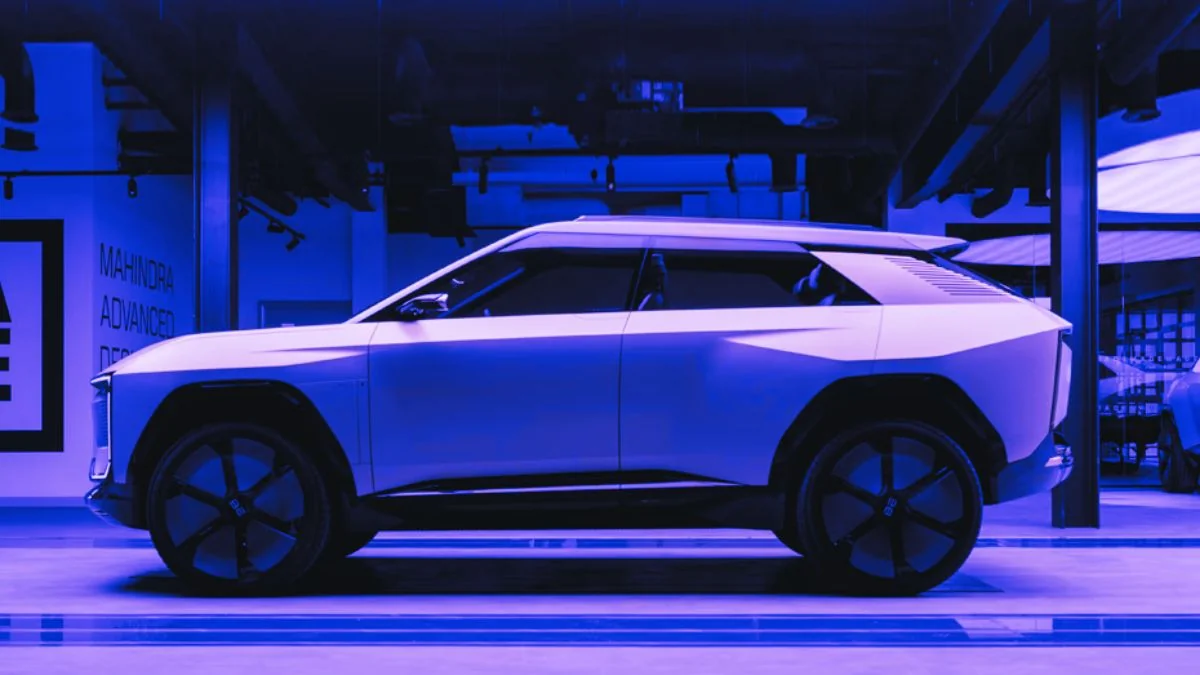
As fuel prices become increasingly unpredictable, Indian buyers are accelerating their move toward electric vehicles, turning energy uncertainty into a major catalyst for automotive change.
India, now the world’s third-largest car market after overtaking Japan, saw EV demand jump sharply in March. Sales climbed by 82% year-on-year, reaching over 24,000 units for the month, while total annual EV sales crossed 230,000 units — placing the country ahead of many major Southeast Asian markets in electric vehicle volume.
Tanaka points out that much of this momentum is being driven internally.
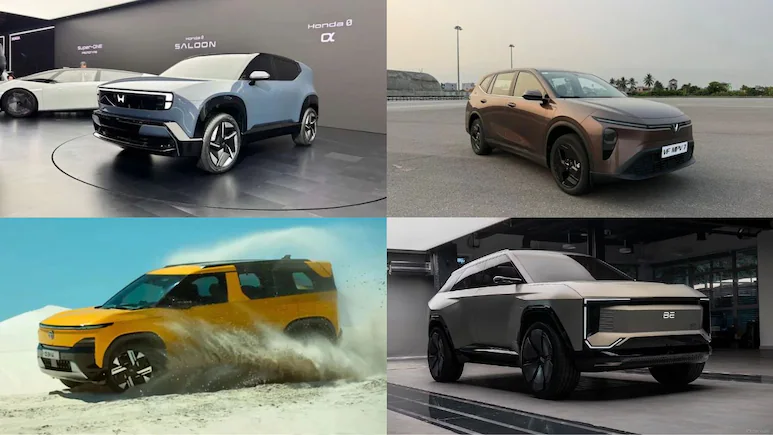
Domestic manufacturers like Tata Motors and Mahindra Group are leading the charge, building affordable EV options for a market that is quickly becoming more cost-conscious as fuel volatility continues. At the same time, Suzuki Motor Corporation still maintains a strong overall market presence, reminding us that the transition is evolving rather than replacing the existing order overnight.
But India’s story is only one part of a wider regional transformation.
Tanaka also highlights how China’s automakers are adjusting strategy. After establishing dominance in EV production, Chinese brands are now pushing aggressively into hybrids — an area long dominated by Japanese manufacturers.
Companies like Geely Auto are rolling out hybrid systems at speed, showing that China’s ambitions are no longer limited to battery-electric vehicles alone.
At the recent Beijing Auto Show, overseas dealers were reportedly studying Chinese-made vehicles with growing interest, weighing potential imports into their own domestic markets.
This shift matters because it reflects something bigger.
For decades, the global auto industry followed a predictable pattern: Japanese, European and American carmakers built global models and maintained market dominance through scale, reliability, and international distribution.
That structure is now under pressure.
China has already established itself as a major automotive force powered by local brands. India, while earlier in its transition, is beginning to show similar signals — though driven by a different force: energy economics.
As Tanaka observes in his weekly reflections, the real engine behind these changes is not just industrial policy or manufacturer ambition.
It’s the consumer.
When fuel costs rise, buying habits change. When energy security becomes uncertain, efficiency becomes more valuable. And when millions of consumers shift their priorities at the same time, entire industries move with them.
India’s current EV surge may have been accelerated by a crisis, but its long-term effects could permanently reshape one of the world’s most important auto markets.
And if both India and China continue moving in this direction, the future balance of the automotive industry may increasingly be written in Asia.
This article is adapted and reinterpreted with credit to the weekly reflections and industrial analysis of Akito Tanaka at Nikkei Asia.

