


SpaceX Eyes Its Own AI Chips as Supply Risks and Costs Come Into Focus
SpaceX is quietly preparing for a much bigger role in the AI race — and it might not stop at rockets. Ahead of its highly anticipated IPO, the company has revealed plans that hint at something far more ambitious: building its own AI chips, including GPUs.
In documents submitted to regulators, SpaceX flagged “manufacturing our own GPUs” as part of its upcoming heavy investment in AI and advanced technologies. The move signals a shift from relying on external suppliers to potentially controlling one of the most critical components in modern computing.

From Rockets to Silicon
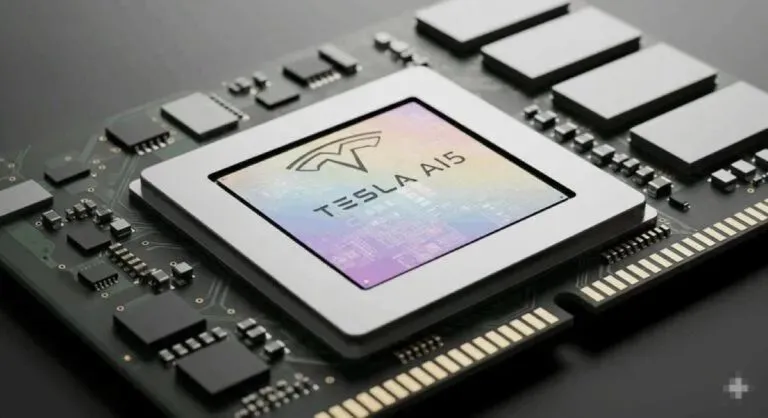
This strategy ties into a larger vision led by Elon Musk, who has been pushing for deeper integration across his companies. SpaceX, alongside xAI and Tesla, is working on a massive chip manufacturing project known as Terafab, planned for Texas.
While the facility is expected to support everything from autonomous vehicles to robotics and even space-based data systems, details around the exact chips it will produce remain limited. GPUs are one possibility — but the broader goal seems to be securing long-term computing power for AI-driven growth.
Why GPUs Matter So Much
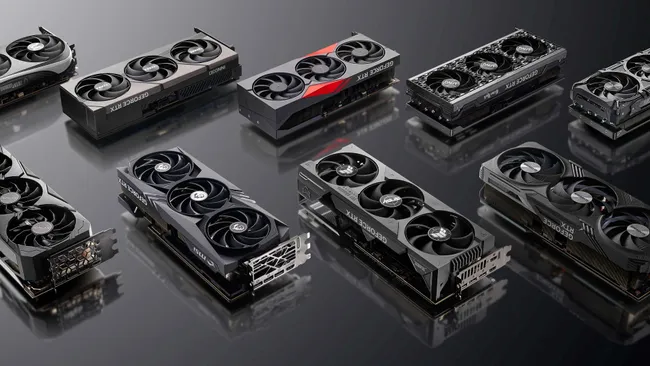
AI today runs on specialized chips, and GPUs sit at the center of it all. Companies like Nvidia dominate this space by producing highly versatile processors capable of handling massive workloads, from training AI models to running complex simulations.
Others, like Google, take a different route with custom-built chips designed for specific AI tasks. SpaceX stepping into this arena suggests it wants more control — and possibly a way to reduce dependency on increasingly strained global supply chains.
A Supply Problem Driving Big Decisions
One of the biggest concerns highlighted by SpaceX is uncertain chip availability. The company admitted it doesn’t have long-term agreements with many of its suppliers, meaning future growth could be limited by how many chips it can secure.
Even with plans to continue sourcing hardware externally, there’s no guarantee supply will meet demand — or that projects like Terafab will be completed on schedule.
That uncertainty alone could explain why SpaceX is exploring in-house production.
Not an Easy Industry to Enter
Building GPUs — or any advanced chip — is notoriously difficult.
Most companies, including Nvidia, rely on manufacturers like TSMC, which has spent years refining extremely complex production processes. Creating cutting-edge chips involves thousands of precise steps and massive capital investment.
Musk has hinted that Terafab could eventually handle the entire pipeline, from chip design to manufacturing and packaging — something few companies attempt at scale.
He also suggested that by the time the facility ramps up, Intel’s next-generation manufacturing tech could be ready, making it a potential partner in the process.
What It All Means
Right now, many details are still unclear — including when SpaceX might actually produce its own chips, or whether “GPU” is being used as a broad term for AI processors.
But one thing is obvious: SpaceX is thinking beyond rockets.
By moving closer to chip production, the company is positioning itself to control not just how it launches into space — but also the computing power that fuels its future on Earth and beyond.
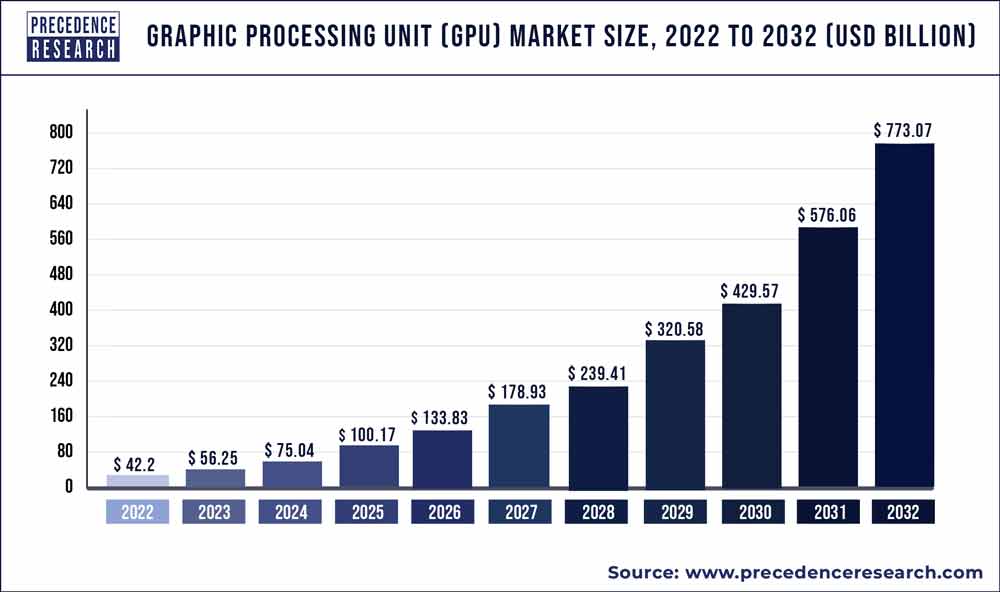
And in a world where AI demand is exploding, that could be one of its most important moves yet.

